
Market insights
Shoppers search for what your data doesn't say.
Cernel measures what shoppers search for in your categories and markets, finds the attributes your product data is missing, and fills the ones you choose.
Almost half of what shoppers search for in knitwear finds nothing in your data
Your products match 52,300 of 100,600 searches for knitwear in the UK this month
- New attributeNeckline18,100 searches a month rollneck jumper men crew neck knit
- New attributeSleeve length9,900 searches a month long sleeve merino short sleeve knit
 Merino RollneckMerino woolSlim
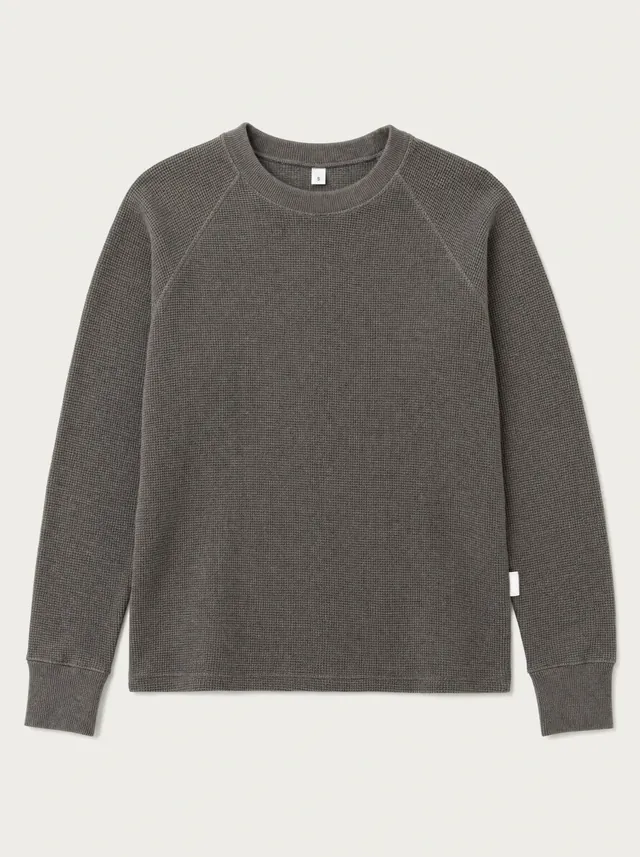 Waffle CrewCottonRegular
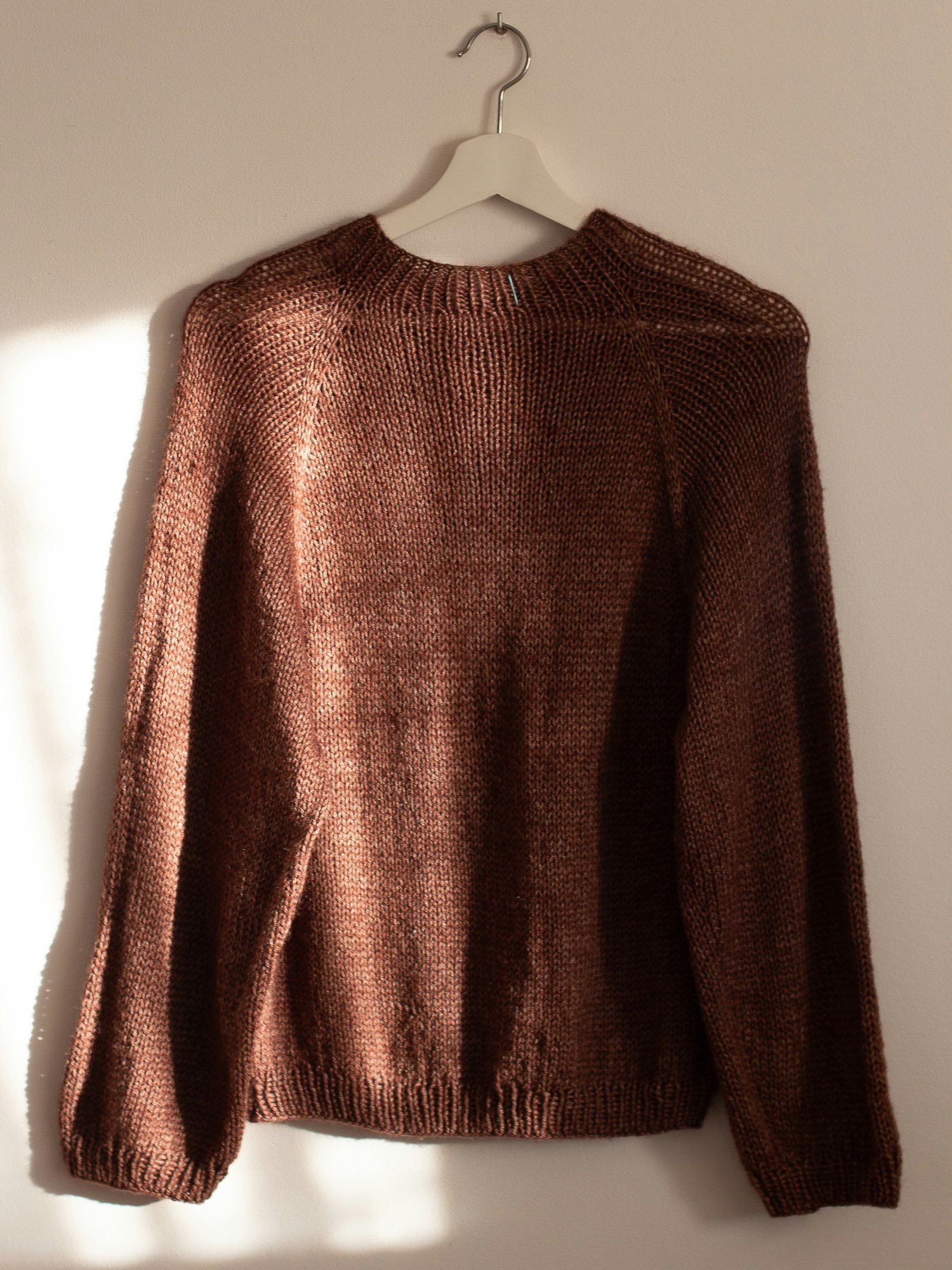 Cable Knit SweaterLambswoolRegular
 Linen PopoverLinenRelaxed
 Fine RollneckMerino woolSlim





Sound familiar?
If one of these sounds like your category pages, this page is for you.
How it works
From what shoppers type to filled products, in five steps.
What happens between a search in Google and the value that answers it on your product page. You decide every change.
Searches measured
Cernel takes monthly search figures from Google Ads for each of your categories, in each market you add.
Matched to your data
Each search is matched to the attribute and value it asks for. A search is answered when your product data has them.
Gaps become changes
New options for an attribute, or a new attribute for a category, ranked by the searches at stake.
You choose and test
You see the new attribute and its options on your own products first, and keep only what you choose.
Agents fill it
Agents fill the new attribute on every product in the category, and you see how much more of the demand your products now answer.
Recommendations
Not a keyword list. The exact change, with the searches behind it.
Each recommendation names the attribute or options to add, the searches that ask for them and the products they change, ranked by the demand at stake.
RecommendationsProductsMissed demand
- Add Seat height to ArmchairsArmchairs · New attribute2141,600

Add Material to Kids' toysNew attribute · 340 products · 6,000 searches a month
- Google Adswooden stacking toy2,900 a month Wood
- Google Adswooden baby toys2,400 a month Wood
- Google Adssilicone stacking cups700 a month Silicone
Options shoppers search for
Wood Silicone Organic cotton
Create attribute
Example recommendations, search terms and figures. Searches a month measure demand in the market.
Every market on its own
Every market searches in its own words. Cernel reads each one.
Every language you add in Cernel is also a market with its own search demand, so UK English and US English are read separately, and every figure follows the market you pick.
Writing each market's product pages in those words is Translation and localization.

Leather bagsGermany · de_DE
- umhängetasche damen leder12,100 a monthBag type: Crossbody
- shopper tasche leder6,600 a monthBag type: Tote
- cognac ledertasche1,600 a monthColour: Cognac
Product page SEO
SEO for product pages, in the words shoppers search.
Once a value answers a search, the same words can go on the product page. Agents write the title, meta title and meta description from the product's own attributes, in every language you sell in, and the finished values go to your shop with the rest of the product.
- rattan table lamp 1,300 a month
- linen shade table lamp 880 a month
- e27 table lamp 590 a month

Rattan table lamp
- Material
- Rattan
- Shade
- Linen
- Socket
- E27
- Height
- 48 cm
SEO fields en_GB · written from the attributes
Title39 / 70
Rattan Table Lamp with Linen Shade, E27
Meta title45 / 60
Rattan Table Lamp with a Linen Shade | Halden
Meta description127 / 160
A hand-woven rattan table lamp with a soft linen shade. Takes an E27 bulb and stands 48 cm tall, for a side table or a bedside.
Review step passed: no claim the product data does not support
Synced to the shop's SEO title and SEO description
The same words go into your shopping feeds, through Product feed management.
Molly & My
Molly & My builds every market on one foundation
- products enriched across 8 markets
- 20,000
- faster time to market
- 4x
- organic traffic to product pages
- +29.3%

Firtal Group
Firtal Group added a thousand extra hands without adding headcount
- products enriched
- +25K
- organic traffic to product pages
- +20%
- faster time to market
- +80%

Tiffany Lighting Direct
Tiffany Lighting Direct gets a new supplier range live in days, not months
- to get a new supplier range live
- Days
- products from 20+ brands
- 13,000+
- extra hires needed
- 0

FAQ
Questions about market insights and product page SEO.
What is Market insights in Cernel?
Market insights measures what shoppers search for in each of your categories and markets, shows how much of it your product data answers, and recommends the attribute and value changes that would answer more.
How does Cernel do ecommerce keyword research?
It takes monthly Google Ads searches for each category in a market and matches every search term to the attribute and value it asks for. A search counts as answered when your product data has them. You don't set up keyword lists, and what to add is ranked by the searches you miss each month, weighted by the products it changes.
Where do the search figures come from?
Monthly searches come from Google Ads, for the market you pick, so you see what shoppers in that market actually type. You also see which options are growing, with a 12-month outlook.
Which markets and languages does it cover?
Every language you add in Cernel is also a market, so it covers the markets you sell in. UK English and US English are the same language but two markets, each with its own search demand, and recommendations are read one market at a time.
What happens after we accept a recommendation?
You try the new attribute and its options on a few of your own products first. Once you keep it, agents fill it on every product in the category, and you see how much more of the search demand your product data answers.
Who decides what changes in my products?
You do. A recommendation is a proposal and you choose what to take, down to single options. You choose which values go live automatically and which get a review step; review steps check every value and only ask a person when something fails or needs a decision.
How is this different from completeness?
Completeness measures how filled your attributes are. Market insights measures how much of what shoppers search for your product data answers, which can mean adding values or attributes you don't have yet. A category can be 100% complete and still miss demand.
Where to next
Found what is missing. Now fill it.
 Make it complete
Product data enrichment
Agents fill the new attributes, and every other field, for every product.
 Every market
Translation and localization
Each market's product pages in the words its shoppers search for.
 The right shelf
Product categorization
Every product in its category, so it carries the attributes that category is searched by.