
Industrial parts
The buyer measured the old part. Your shop only knows its number.
So they call technical sales instead of ordering online. Cernel turns every supplier line into specs a buyer can filter on.
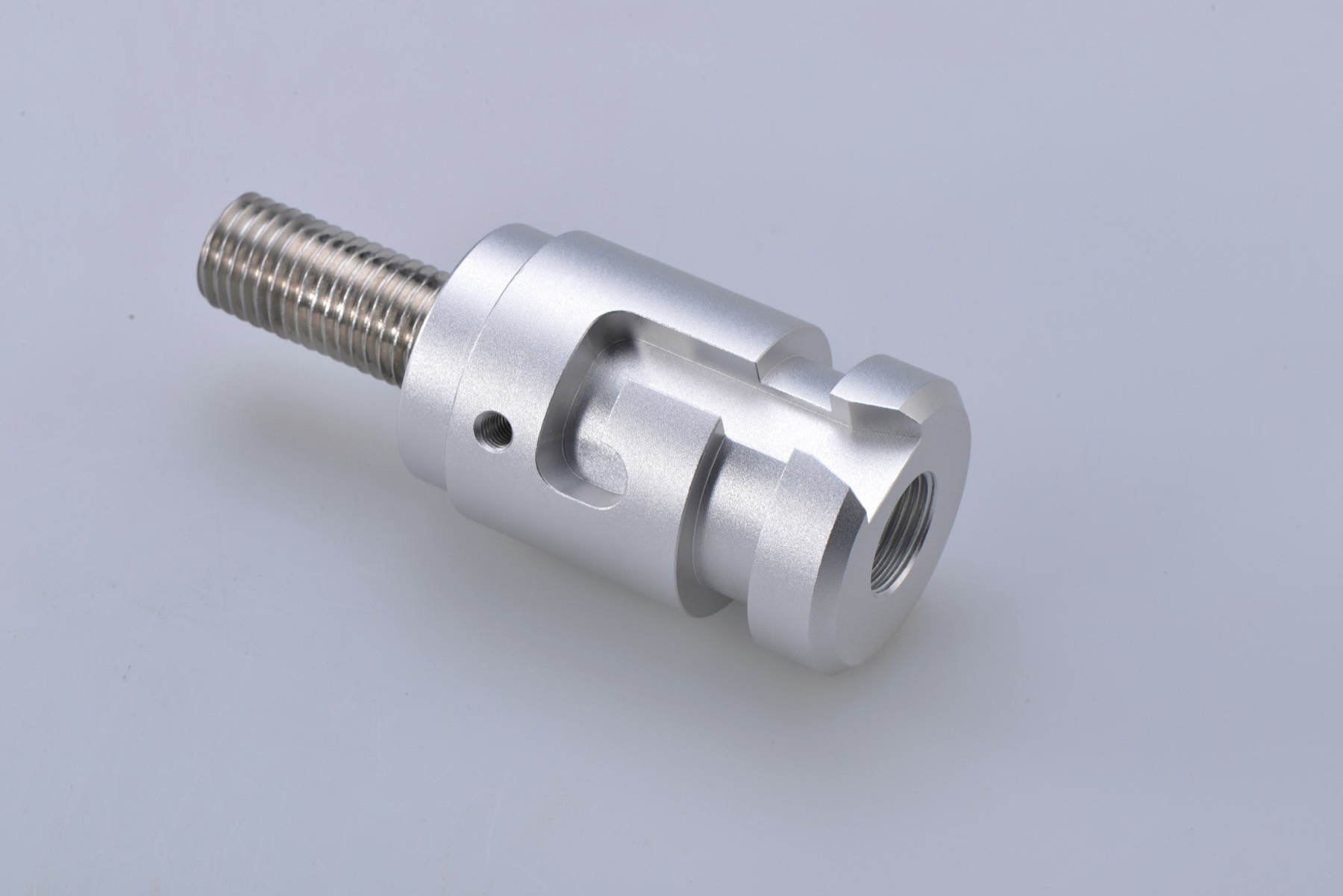
ADPT M12X1.75 ALU ANOD L48Your shop's search “M12 adapter 48 mm”: 0 results




Why buyers call technical sales
They know the thread and the length. Your data only knows the number.
44% of ecommerce sites have issues with compatibility searches, where a part has to fit something the buyer owns (Baymard Institute search benchmark, 2026). For parts, the spec is the product.
The spare part has almost no data
The detail is written for the product family. The single part has a number and a line of capitals, so it never shows up in a filter.
Shorthand becomes thread, size, material and rating, each in a field of its own.
The right number still finds nothing
A buyer types the number as it is printed on the old part. Your file holds it with a space and a leading zero, and search comes back empty.
Part numbers are written in one format, with the supplier's own string kept beside it.
A wrong spec stops a machine
An estimated pressure rating is worse than an empty field: it prompts an order instead of a question. Manufacturers also specify the same part type differently.
What no source states stays empty, and the fields you choose wait for a person's approval.
Every supplier, every layout
Suppliers send a line of capitals. Buyers search for a thread and a length.
Follow one adapter from the supplier's line to the filters in your shop. Pick any step to see it again.
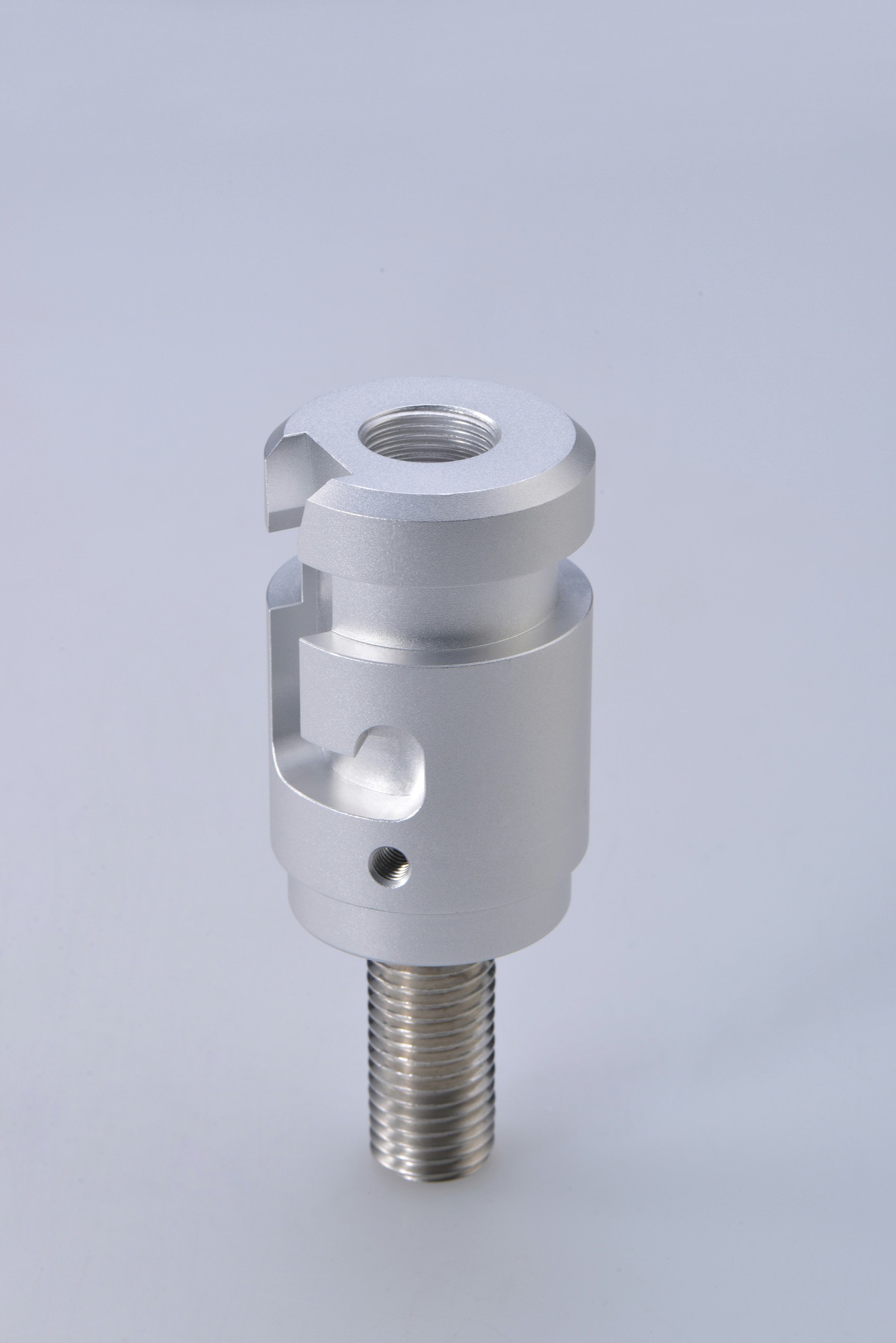
The supplier sends one line of capitals. Thread, length and material are in there somewhere, but not as anything your shop can filter on.
Supplier file: the line as it arrives
adp 012-175 ADPT M12X1.75 ALU ANOD L48 +/-0.05
- Part numberEmpty
- TypeEmpty
- ThreadEmpty
- StandardEmpty
- MaterialEmpty
- FinishEmpty
- LengthEmpty
- ToleranceEmpty
No spec a filter can use yet
Example part and supplier line.
Filters that find it
The buyer knows what the old part measures. One part is left.
With each spec in its own field and every part filed in your own category tree, the filters in your shop narrow the catalogue to the part that fits, and the buyer orders it without a call.
Filters in your shop
- ThreadM12 × 1.75
- StandardISO 261
- Length48 mm
- MaterialAluminium
1,240threaded adapters match
Example catalogue and counts.

Blank beats wrong
A guessed pressure rating stops a machine. So Cernel leaves it blank.
A value no source states stays empty, and every AI-written figure shows its inputs and reasoning. You choose which values go live automatically and which get a review step; review steps check every value and only ask a person when something fails or needs a decision.
- Port threadG 1/4Maker's page
- Ports5Supplier line
- MaterialDie-cast aluminiumSupplier line
Synced to your shop. The empty field stays empty.
Example part.
How it works
From a supplier line to a part a buyer can order. What happens to one part.
Cernel works next to the systems you already have. Blue is an agent at work, yellow is your team deciding, green is done.
01Comes in
Lines come in as they are
Supplier files in whatever layout they come, or your ERP's lines over the API. Rows about one part join on the identifier you choose: MPN, GTIN or your own part number.
02An agent works
Filed in your own tree
Import your category tree, or build it in Cernel, and test the classification on a few parts first. The class decides which specs a part needs.
03An agent works
One agent per spec
Thread, length, bore, material and finish each get their own agent, in one unit and one format. Where the line is silent, an agent reads the maker's page on sites you allow; what no source states stays empty.
04Your team decides
An engineer signs off where it matters
You choose which values go live automatically and which get a review step; review steps check every value and only ask a person when something fails or needs a decision.
05Done
Back to your systems
Approved values go back to the shop and PIM systems we integrate with by themselves. Your ERP picks them up over the API, and distributor catalogues get a file in their own columns.
What changes
Every part carries its specs. Your engineers decide what goes live.
Fields of their own
- ClassThreaded adapter
- Part numberADP12175
- ThreadM12 × 1.75
- Length48 mm
- MaterialAluminium
- FinishAnodised
- StandardISO 261
- Pressure ratingBlank until sourced
- Cross-referenceFrom your own list
Example values. You define the fields and the lists they pick from.
You stay in control
- You build the category tree and the value lists agents pick from.
- Runs can fill only empty fields, so values your team set stay as they are.
- Every AI-written value shows its inputs, its reasoning and the prompt behind it.
- Every value keeps its history: manual edits show who made them, and earlier versions can be restored.
In and out
- Your ERPFiles or the API: lines in, approved values out
- PIM systems and your parts shopTwo-way with the systems we integrate with: parts in, approved values back
- The APIFor any other system, with your own part numbers
- Distributor catalogues and punch-outA file in each partner's own columns, or the API
Firtal Group
Firtal Group added a thousand extra hands without adding headcount
- products enriched
- +25K
- organic traffic to product pages
- +20%
- faster time to market
- +80%

FAQ
Questions parts manufacturers and distributors ask us.
Do manufacturers need a PIM to use Cernel?
No. Many manufacturers keep their parts in the ERP: send them as a file or push them in over the API, and your ERP picks up the approved values the same way. If you manage your product data in a PIM, Cernel is the AI layer that fills and checks it: PIM systems we integrate with connect both ways, and any other through the API or files.
Can our shop show which machines a part fits?
Yes, from your own compatibility data. Bring your cross-reference or fitment list in as a file or over the API, and Cernel turns it into fields on every part: fits, replaces, superseded by. Every value comes from your list, never a guess.
How do we keep wrong specs off safety-critical parts?
You choose which values go live automatically and which get a review step; review steps check every value and only ask a person when something fails or needs a decision. Set the safety-critical fields to always wait for review, so someone on your team approves each figure with its inputs and reasoning beside it, and tell the agents to leave a value empty rather than estimate it. Titles and descriptions can be told to use only the values you hold.
We hold more than 250,000 lines. Can Cernel handle that?
Yes. You work category by category, in runs of tens of thousands of parts at a time. Each run shows its size before it starts, and later passes can fill only what is still empty.
Can Cernel find photos for parts that have none?
Yes. Cernel finds the manufacturer's own photos on the sites you allow and returns them for your team to review, so every part a buyer matches by eye shows the real thing.
Where to next