
Fashion and apparel
Hundreds of new styles a drop. Fit, colour and occasion still typed by hand.
Cernel fills fit, fabric, colour and occasion on every style as it arrives, in every language you sell in.



Sound familiar?
The drop lands before the last one is done. And the filters only know colour and size.
Hundreds of styles, typed in by hand
Buying sends a style number, a colour code and a composition. A merchandiser fills fit, neckline and occasion style by style, and the next season arrives first.
An automation fills each style's fields as it arrives, from your own value lists.
Shoppers filter on what your file never says
Fit, rise, length and occasion stay empty, so a style drops out the moment a shopper filters, even when it is in stock.
Agents set fit, neckline, length and occasion per category, from the style sheet, the photos and the maker's page.
Forest, Pumice Stone, Jet
Suppliers name colours their own way. Nobody searches for Pumice Stone, and the colour filter cannot place it.
The supplier's colour name stays, and a colour family from your list goes beside it.
Every market and channel is another round
Copy is rewritten for each language, and every marketplace wants composition and size in its own format.
One run writes every language you sell in, and each marketplace gets its own version, in its own fields.
- of shoppers name sizing issues as their top reason for returning a productAkeneo consumer survey, February 2025
- 58%
- of shoppers have returned an online purchase because the product information was wrong or misleadingSalsify Consumer Research, 2026
- 45%
- of ecommerce sites lack filters for all the product details they show in the listBaymard Institute, 2019
- 38%
The season drop
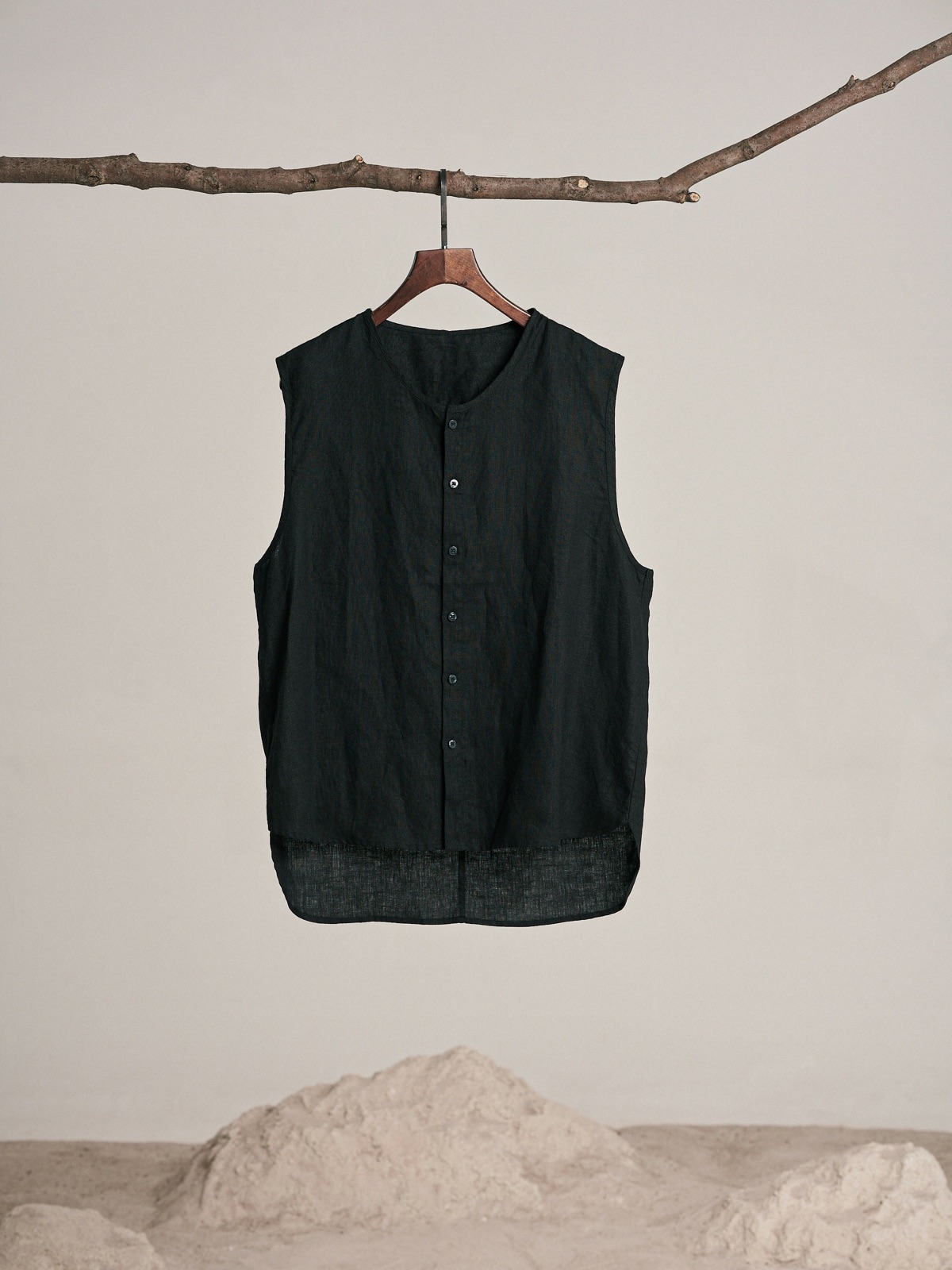
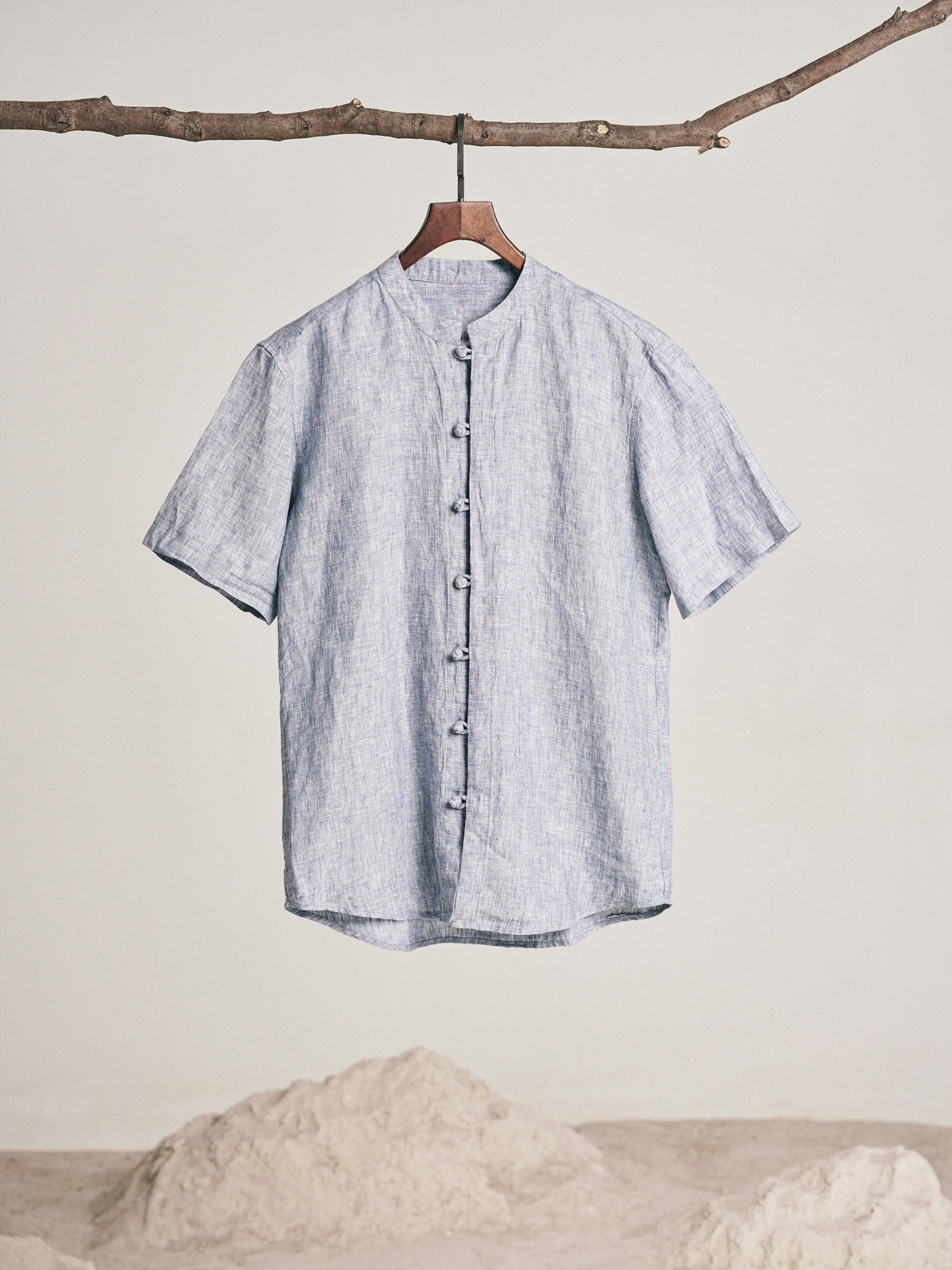
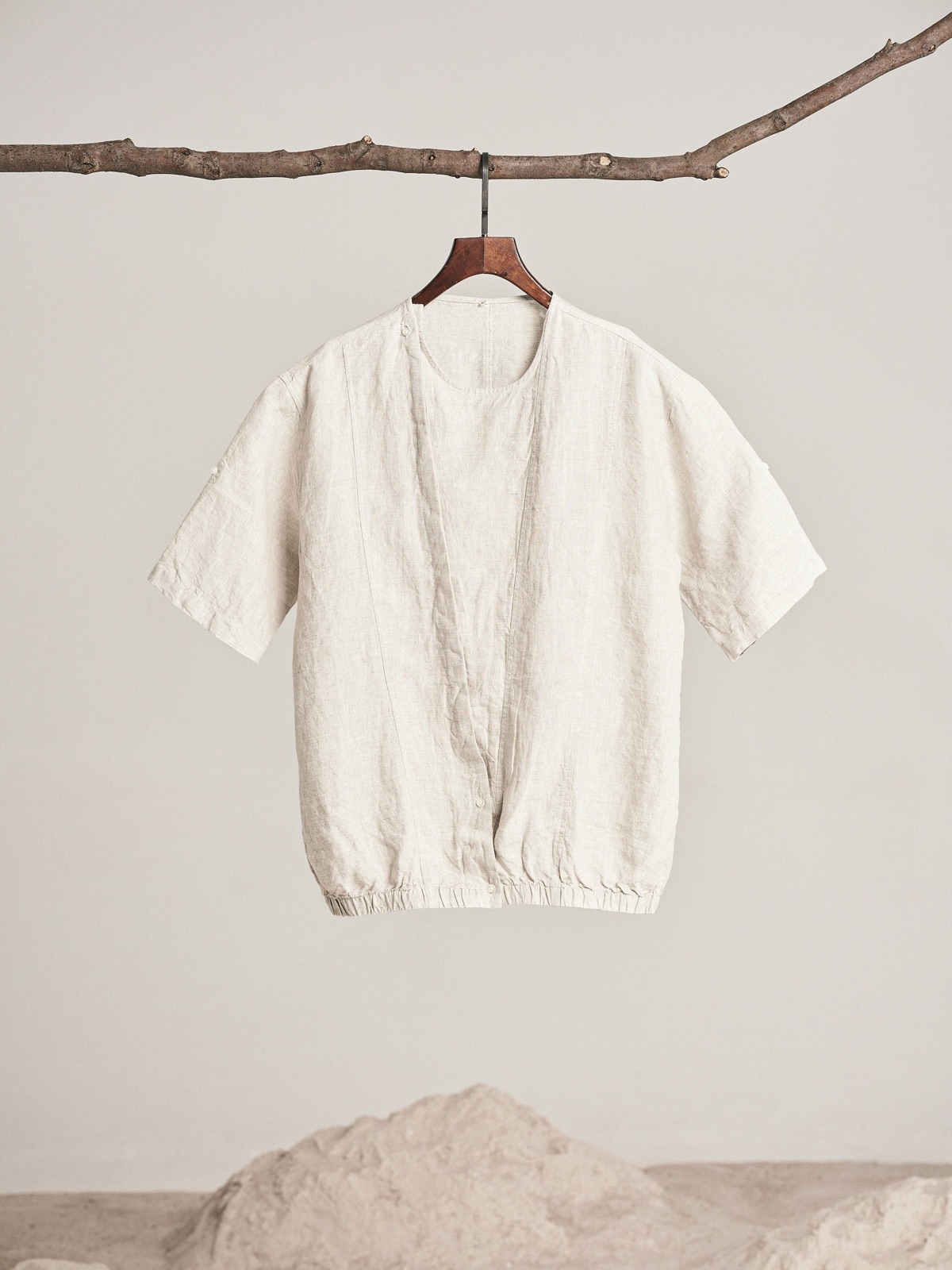
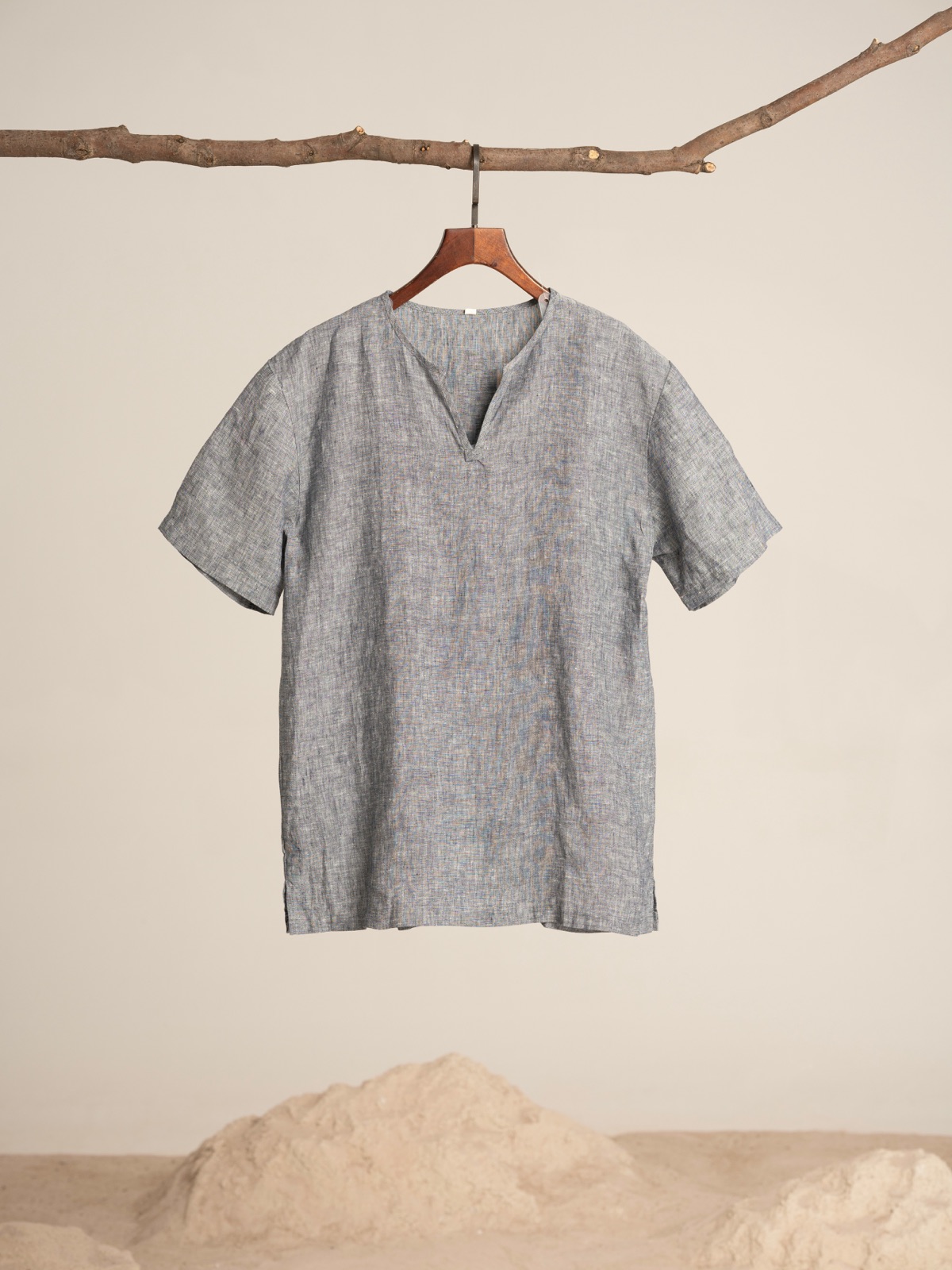
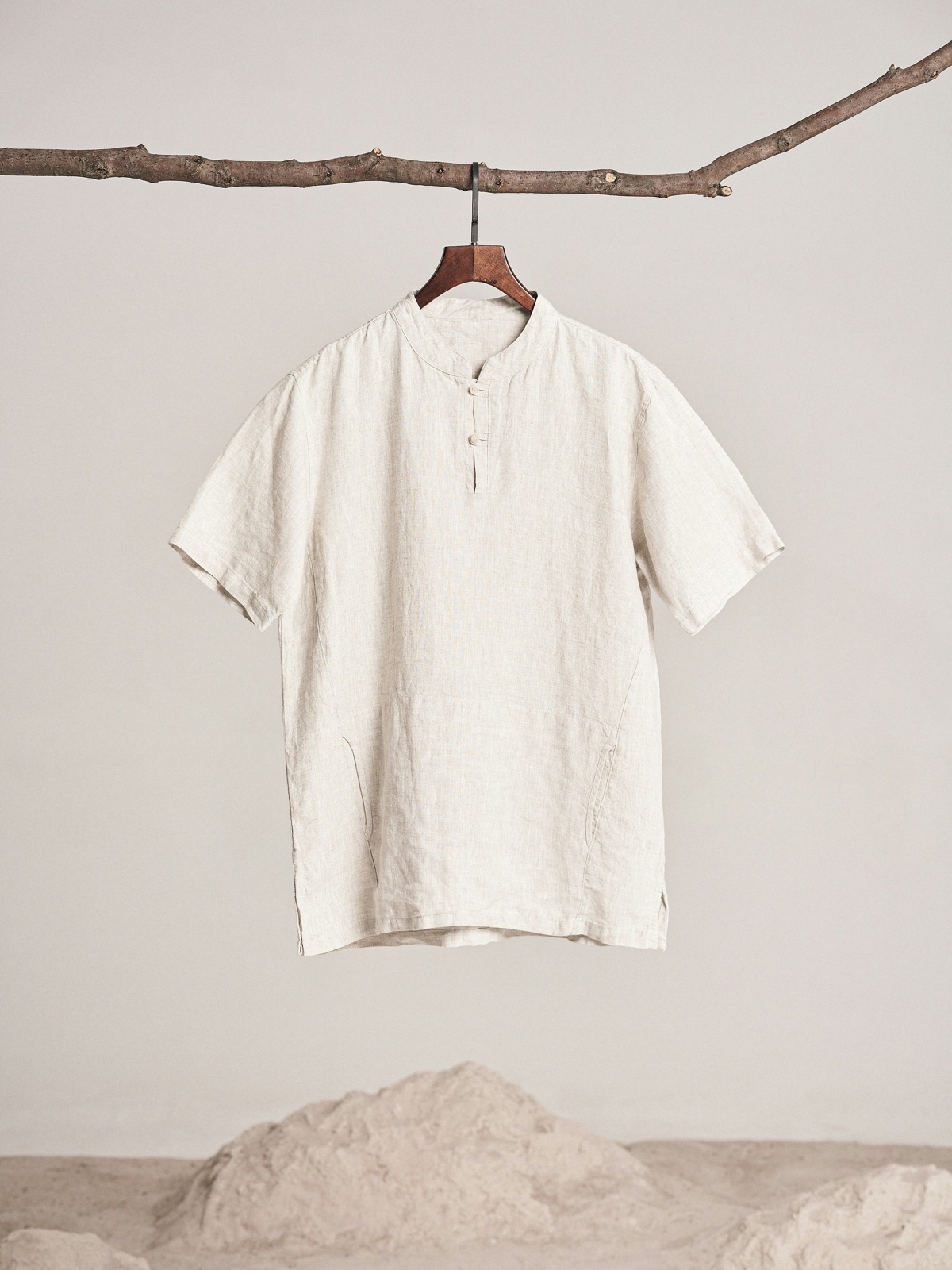
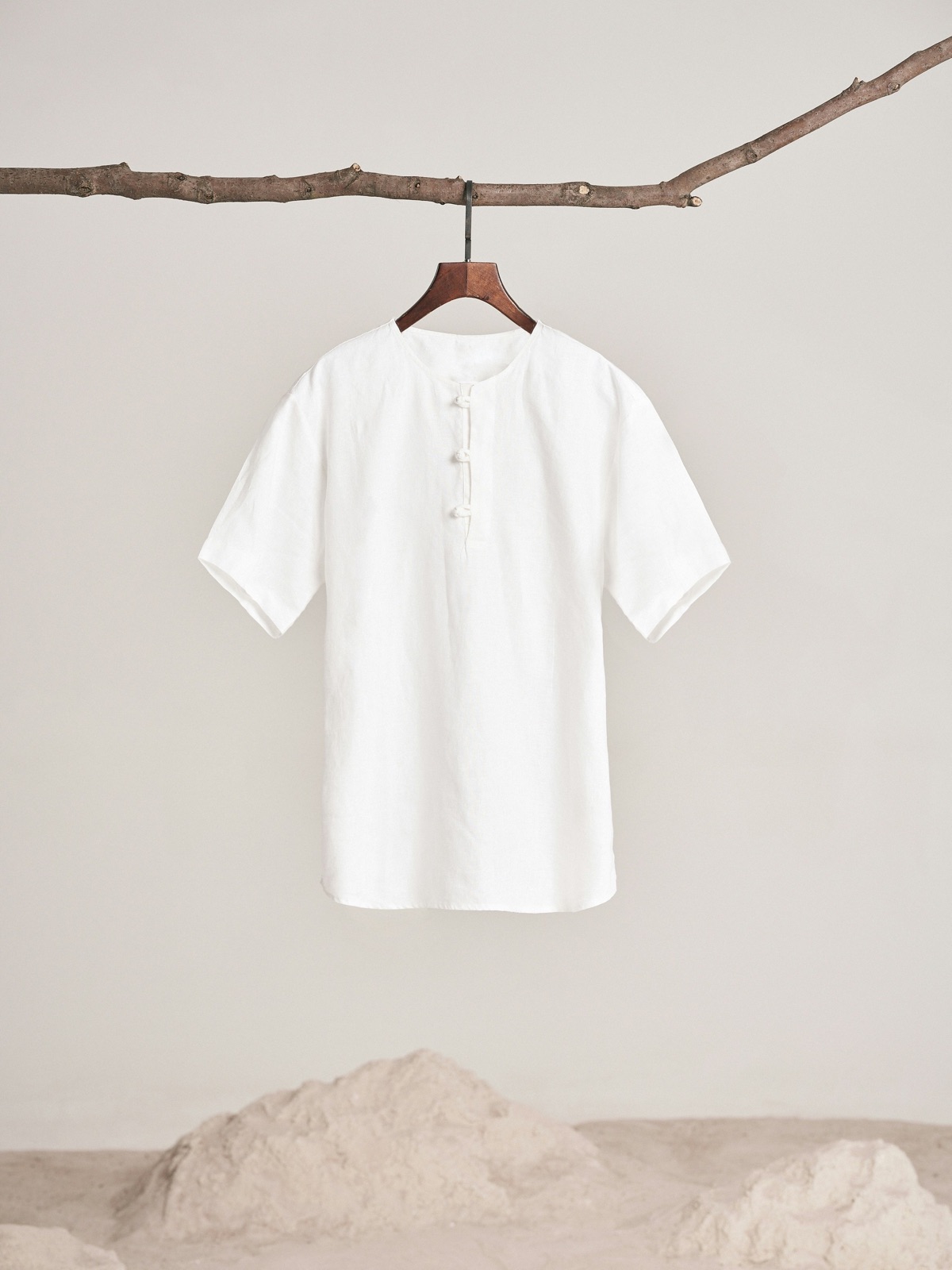
Six styles in as short codes. Every one findable on launch day.
Buying sends each style as one line of codes. As each one lands, Cernel gives it a name and the values shoppers filter on, from your own value lists. Jet becomes Black, and the filter finds it.
Fit and returns
Buying sends a code and a size chart. Cernel adds the fit shoppers choose a size by.
A wrong fit comes back as a return. Cernel reads fit, length and neckline from each style's photo, builds the size guide from the brand's chart and takes every value from your own lists. You choose which values go live automatically and which get a review step; review steps check every value and only ask a person when something fails or needs a decision.
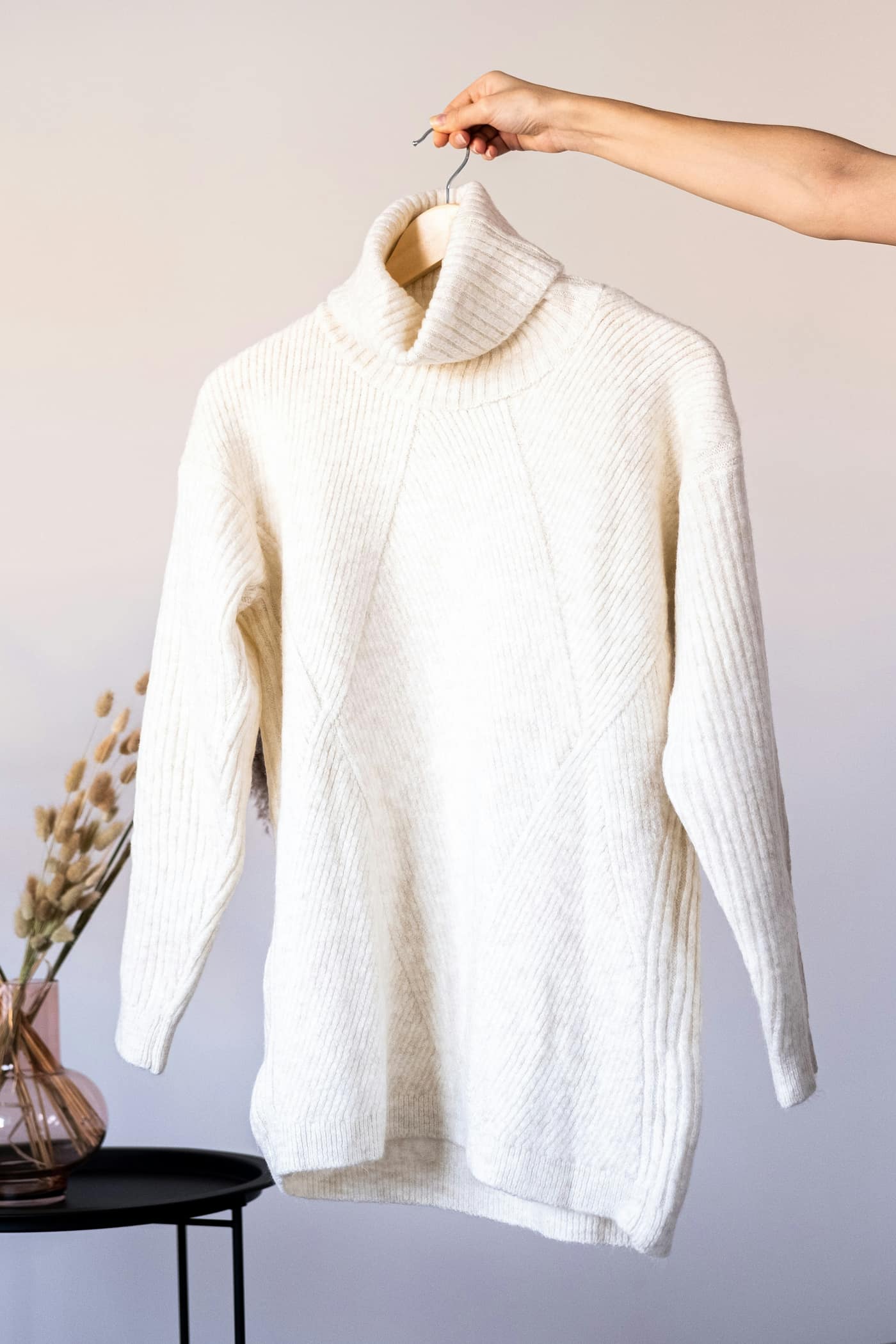 KN TNECK RIB 194S-XL CH 112-130 LEN 74-80EmptyEmpty
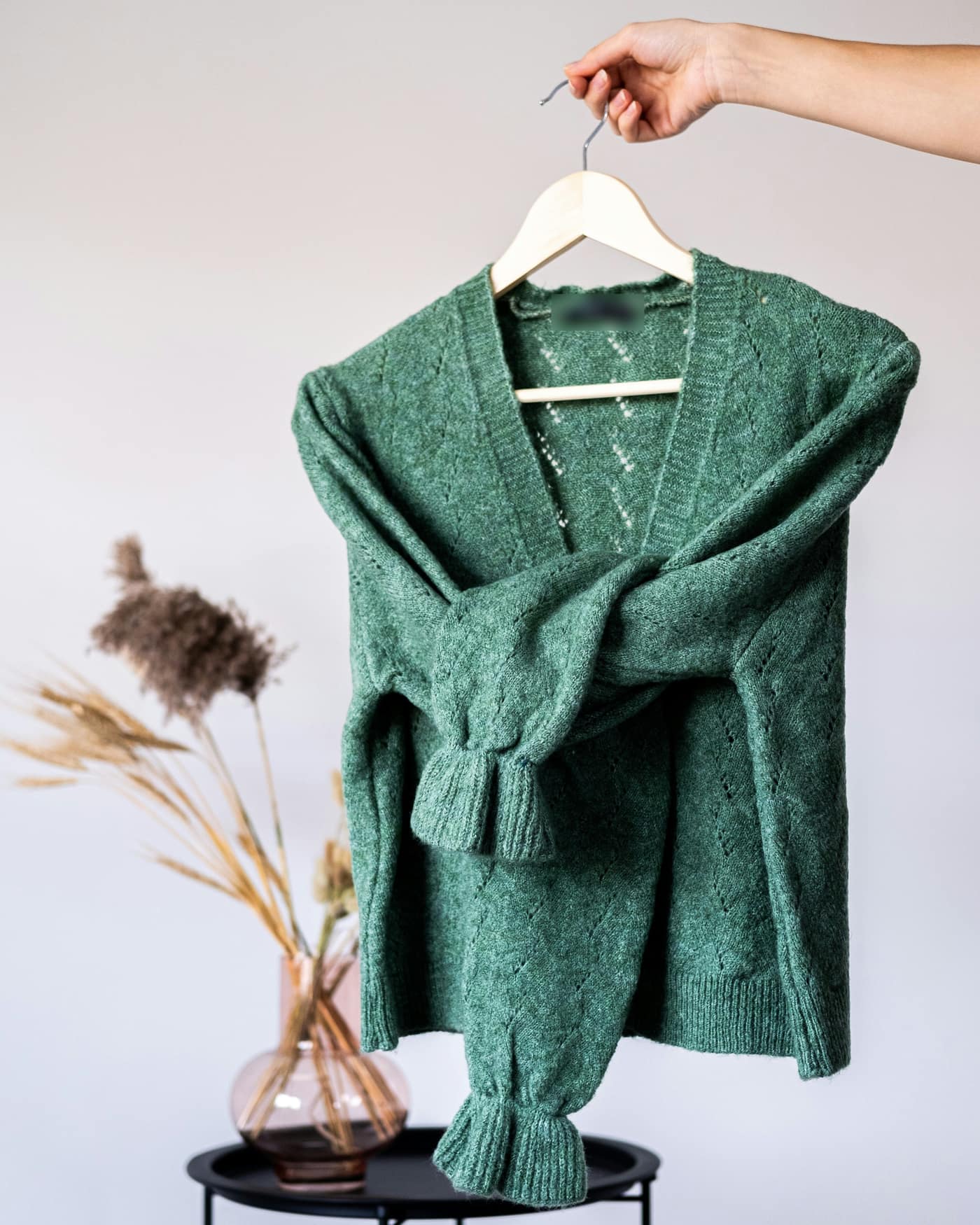 KN CARDI PNTL V 312S-XL CH 100-118 LEN 62-68EmptyEmpty
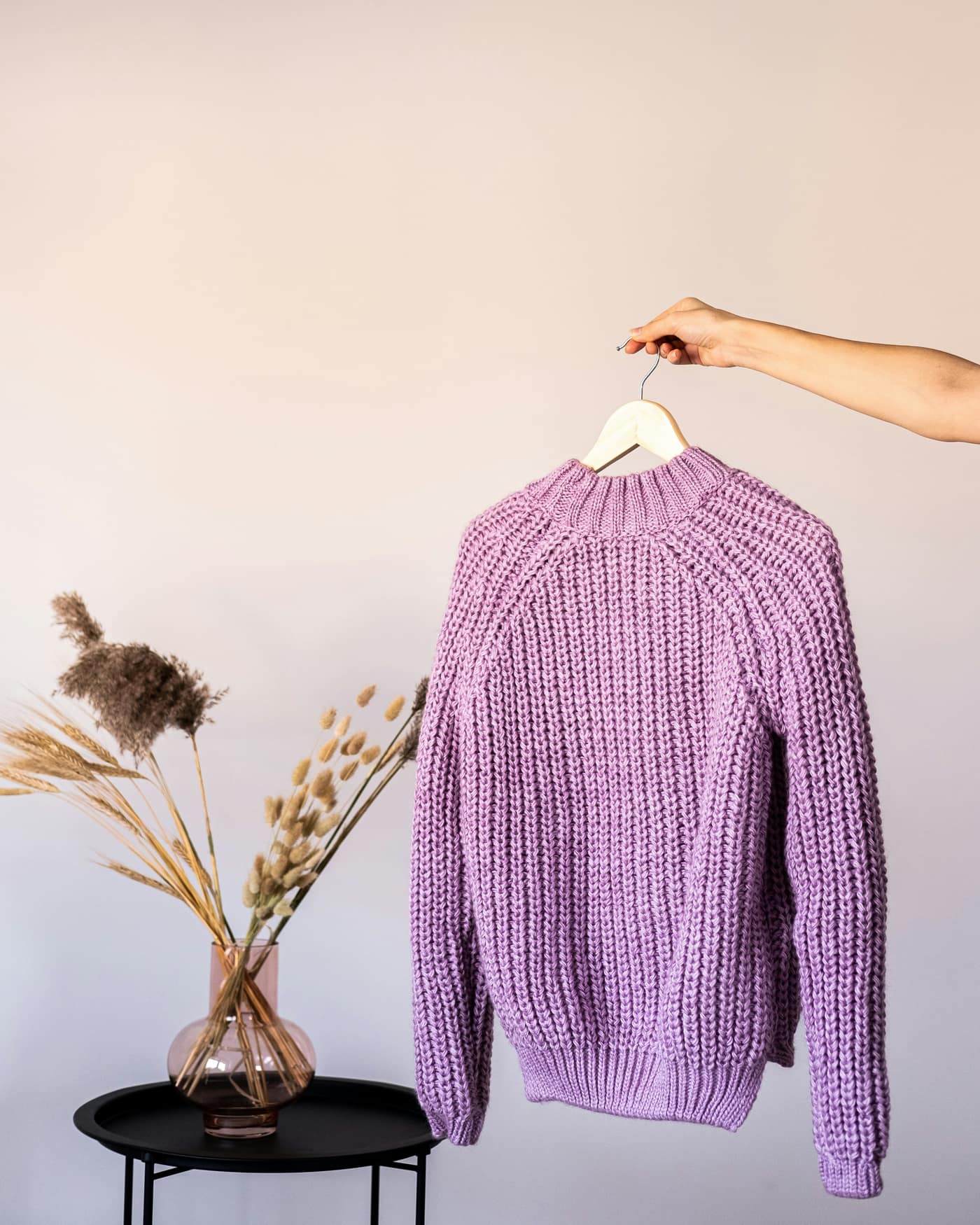 KN JUMP CHNKY RIB 640S-XL CH 104-122 LEN 60-66EmptyEmptyRibbed turtleneck jumperKN TNECK RIB 194OversizedLonglineYour callTurtleneckS to XL, in cmYour callPointelle cardiganKN CARDI PNTL V 312RelaxedHip lengthV-neckS to XL, in cmLiveChunky rib jumperKN JUMP CHNKY RIB 640RegularHip lengthHigh neckS to XL, in cmLive
How it works
From buying's style sheet to a findable style. What happens to one drop.
Cernel works next to the systems you already have. Blue is an agent at work, yellow is your team deciding, green is done.
01Comes in
The drop comes in
Styles arrive from your PIM or shop as they are created, sizes and colours as variants of one style, or as a style sheet from buying.
02An agent works
Sorted into categories
Every style is classified, so tops get neckline and sleeve, trousers get rise and leg, shoes get heel height.
03An agent works
One agent per field
Agents read the style sheet, the photos and, where you allow it, the maker's page. Values come from your own lists, and descriptions are written from them in each brand's voice.
04Your team decides
Checked where it matters
You choose which values go live automatically and which get a review step; review steps check every value and only ask a person when something fails or needs a decision.
05Done
Back to your shop
Approved values go back to your PIM or shop in every language you sell in, or out as an export or a Google Shopping feed.
What changes
Every style filters the way shoppers shop. Your team decides what goes live.
Fields of their own
- FitRelaxed
- LengthHip length
- NecklineV-neck
- RiseHigh rise
- OccasionWorkwear
- Colour familyGrey (supplier: Pumice Stone)
- Composition70% wool, 30% polyamide
- Size guideS to XL, in cm
Example values. You define the fields and the lists they pick from.
You stay in control
- You define the fields and the value lists agents pick from, per category.
- Fit and length can always wait for a person, while the rest goes live by itself.
- Every AI-written value shows its inputs, its reasoning and the prompt behind it.
- Every value keeps its history: manual edits show who made them, and earlier versions can be restored.
In and out
- Your shop and PIMTwo-way with the systems we integrate with: styles in, approved values back
- Style sheets from buyingA file in whatever layout it comes
- MarketplacesEach marketplace's version, in its own fields, ready to upload or to send through your feed tool
- Google ShoppingA feed file, ready to upload
“There’s nothing more frustrating than starting from scratch in ChatGPT every time. We’re not missing AI capabilities, we’re missing context”
Molly & My
Molly & My builds every market on one foundation
- products enriched across 8 markets
- 20,000
- faster time to market
- 4x
- organic traffic to product pages
- +29.3%

Firtal Group
Firtal Group added a thousand extra hands without adding headcount
- products enriched
- +25K
- organic traffic to product pages
- +20%
- faster time to market
- +80%

FAQ
Questions fashion teams ask us.
Do fashion brands need a PIM for this?
Cernel works with what you run today. It connects to the PIM systems and shops we integrate with, and to anything else through the API or files. Every style gets one structured record with your own categories, value lists and review steps, and the approved values go back to where you publish them.
What if the style sheet doesn't say the fit?
The photo does. AI reads fit, length, neckline and sleeve from a product photo very well, so almost every style can be classified, alongside what the style sheet and the maker's page say. The value always comes from your own list. You choose which values go live automatically and which get a review step; review steps check every value and only ask a person when something fails or needs a decision.
We carry 25 brands. Can each one keep its own voice?
Yes. Store each brand's tone of voice once in Cernel, and give each brand or tier its own description agent that uses it. Change a brand's guide and every description for that brand follows.
Does it handle variants or only the parent style?
Yes, both. Sizes and colours stay variants of one style. Agents fill what the whole style shares, like fit and fabric, once on the parent, and what differs, like colour family, on each variant.
Can Cernel prepare our styles for marketplaces?
Yes. You set up the fields, categories and value lists each marketplace asks for, and Cernel prepares each marketplace's version of every style, ready to upload or to send through your feed tool. For Google Shopping, Cernel prepares a feed for Merchant Center.
What happens when a style changes mid-season?
The change reaches Cernel from your shop or PIM, and an automation set to run when the attributes you pick are updated enriches the style again. Approved values go back on their own.
Where to next
See how each part works.
- Platform
Product data enrichment
Fit, fabric, colour family and occasion on every style, from your own value lists.
- Platform
Translation and localization
Every market written in the same run, in your voice and your words for fit.
- Platform
Agentic review
Choose which values go live automatically and which wait for your team.